%2Ffit-in%2F250x250%2Fusers%2F2add33eb-87cc-4dd9-ac0a-cc3d7c8acdc1%2Fimages%2Fe1d53ec7-bc62-4a84-8314-6fd6b9c991c9.jpg&w=1920&q=100)
/users/2add33eb-87cc-4dd9-ac0a-cc3d7c8acdc1/ratecard/449094573_1070450048070806_362216675123212160_n.jpg)
%2F300x300%2Fusers%2F2add33eb-87cc-4dd9-ac0a-cc3d7c8acdc1%2Fratecard%2F449094573_1070450048070806_362216675123212160_n.jpg&w=256&q=75)
%2F300x300%2Fusers%2F2add33eb-87cc-4dd9-ac0a-cc3d7c8acdc1%2Fimages%2Fangler-norfolk-fishing-2420.jpg&w=256&q=75)
%2F300x300%2Fusers%2F2add33eb-87cc-4dd9-ac0a-cc3d7c8acdc1%2Fimages%2Ffishing-trip-virginia-2358.png&w=256&q=75)
%2F300x300%2Fusers%2F2add33eb-87cc-4dd9-ac0a-cc3d7c8acdc1%2Fimages%2Ffishing-norfolk-tuna-2481.jpg&w=256&q=75)
%2F300x300%2Fusers%2F2add33eb-87cc-4dd9-ac0a-cc3d7c8acdc1%2Fimages%2Fking-mackerel-fishing-va-2421.jpg&w=256&q=75)
%2F300x300%2Fusers%2F2add33eb-87cc-4dd9-ac0a-cc3d7c8acdc1%2Fimages%2Ffishing-norfolk-2481.jpg&w=256&q=75)
%2F300x300%2Fusers%2F2add33eb-87cc-4dd9-ac0a-cc3d7c8acdc1%2Fimages%2Fnorfolk-fishing-adventure-2506.jpg&w=256&q=75)
%2F300x300%2Fusers%2F2add33eb-87cc-4dd9-ac0a-cc3d7c8acdc1%2Fimages%2Ffishing-fun-virginia-2479.jpg&w=256&q=75)
%2F300x300%2Fusers%2F2add33eb-87cc-4dd9-ac0a-cc3d7c8acdc1%2Fimages%2Ffishing-expedition-norfolk-2553.jpg&w=256&q=75)
%2F300x300%2Fusers%2F2add33eb-87cc-4dd9-ac0a-cc3d7c8acdc1%2Fimages%2Fatlantic-sailfish-norfolk-fishing-2567.jpg&w=256&q=75)
%2F300x300%2Fusers%2F2add33eb-87cc-4dd9-ac0a-cc3d7c8acdc1%2Fimages%2Fanglers-fishing-virginia-2439.jpg&w=256&q=75)
Expert-Guided Norfolk Offshore Fishing Charter

 Norfolk
What you will be catching:
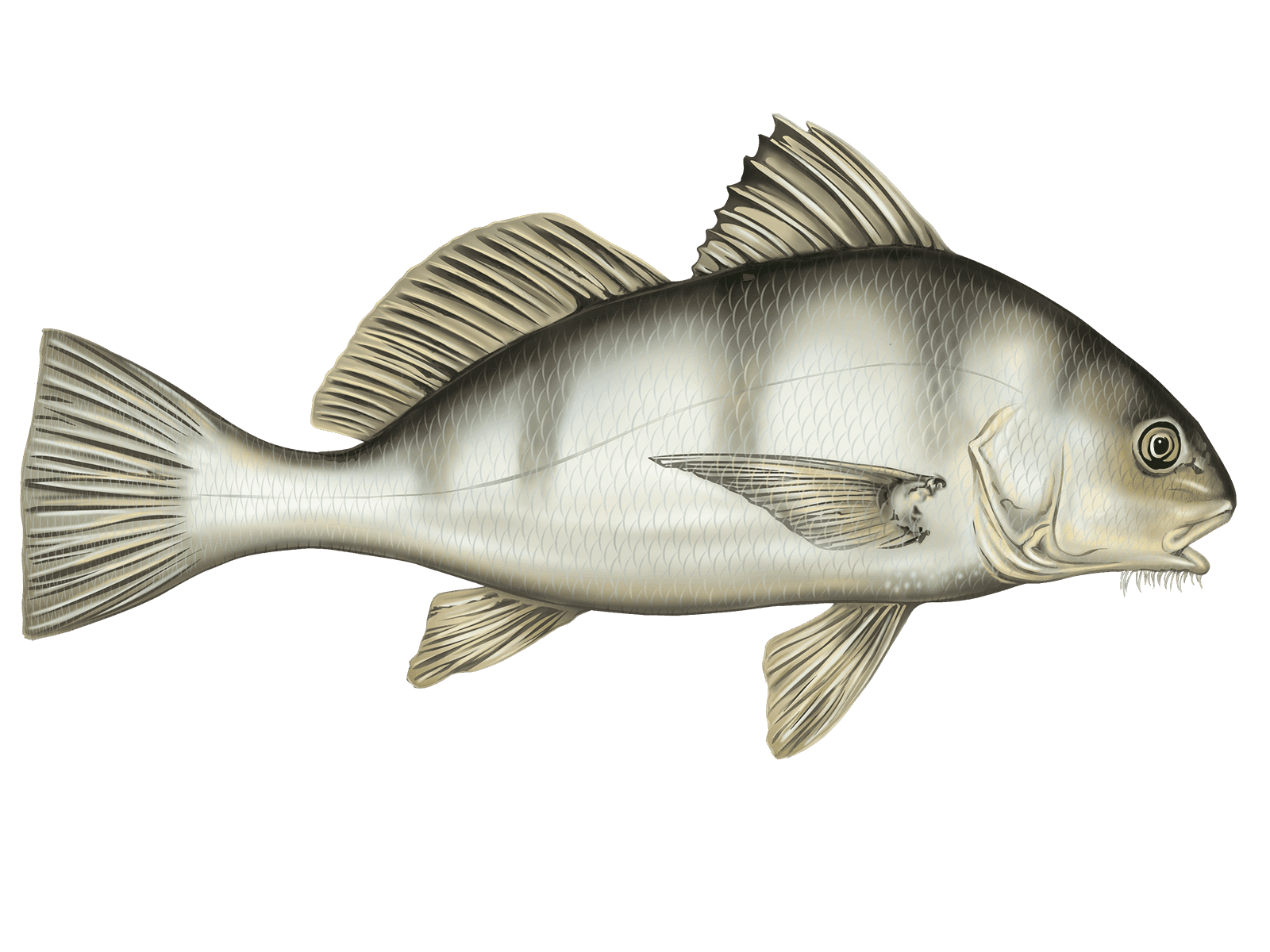
 Black Drum
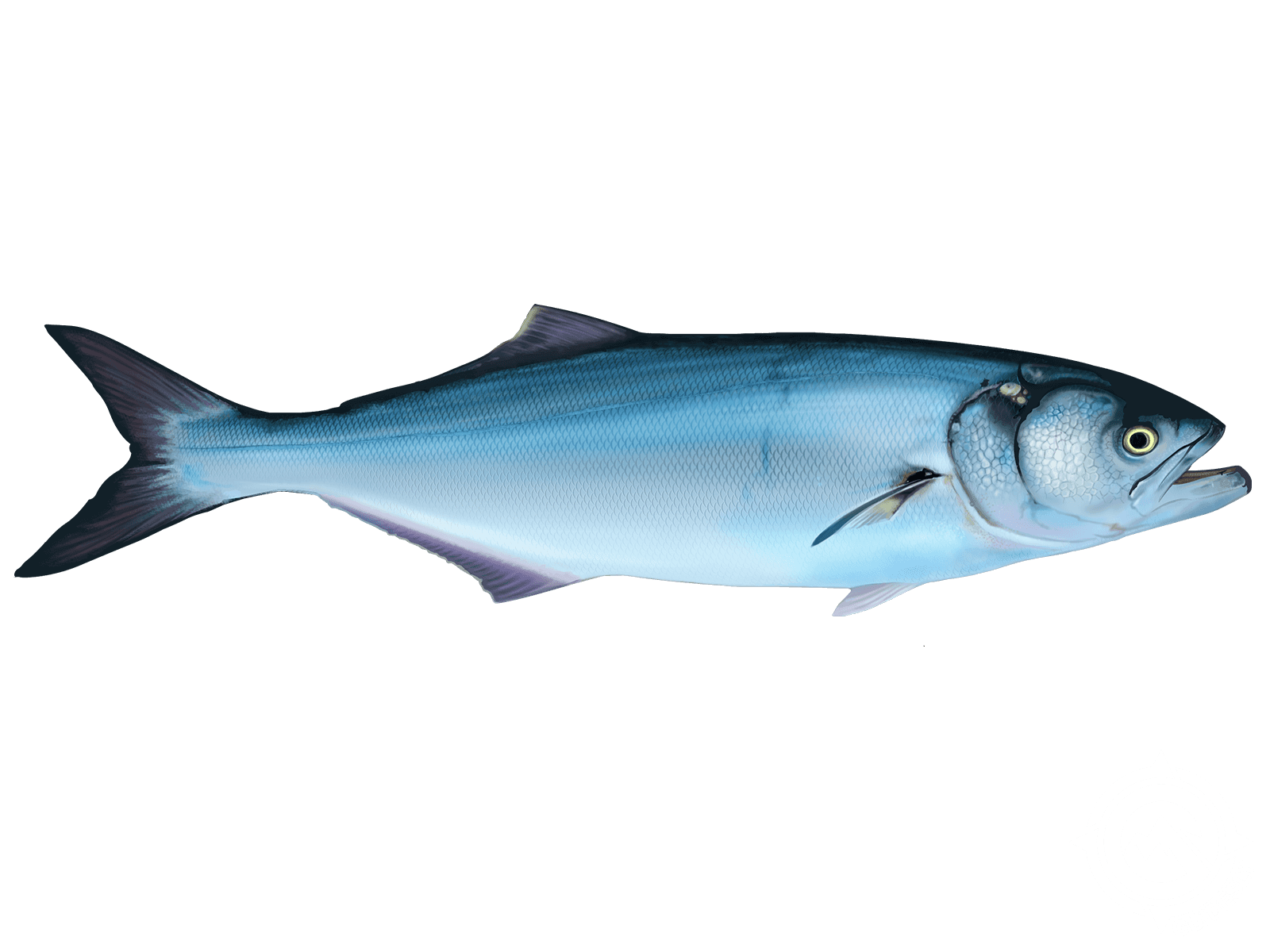
 Bluefish
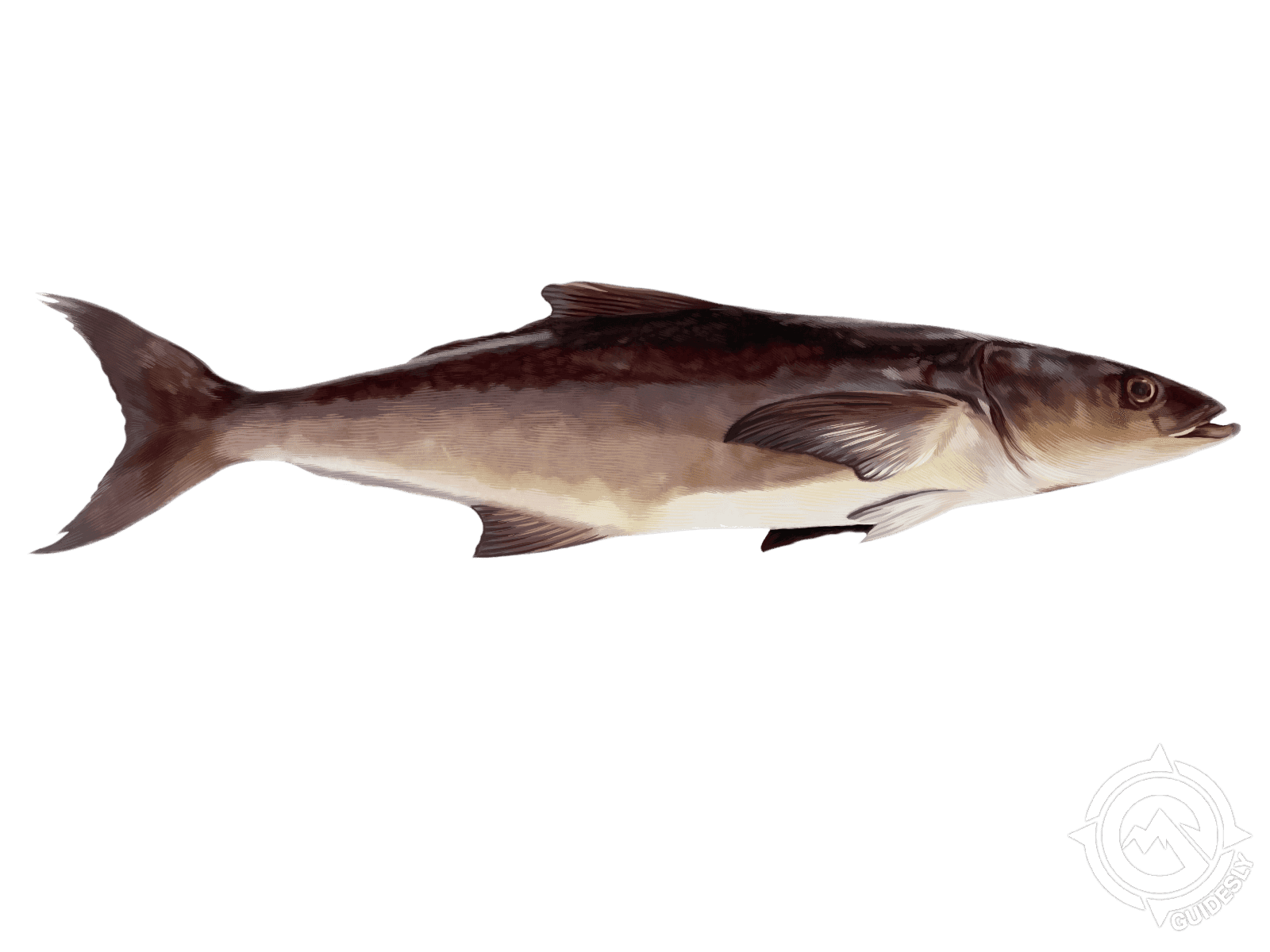
 Cobia
Cobia Redfish
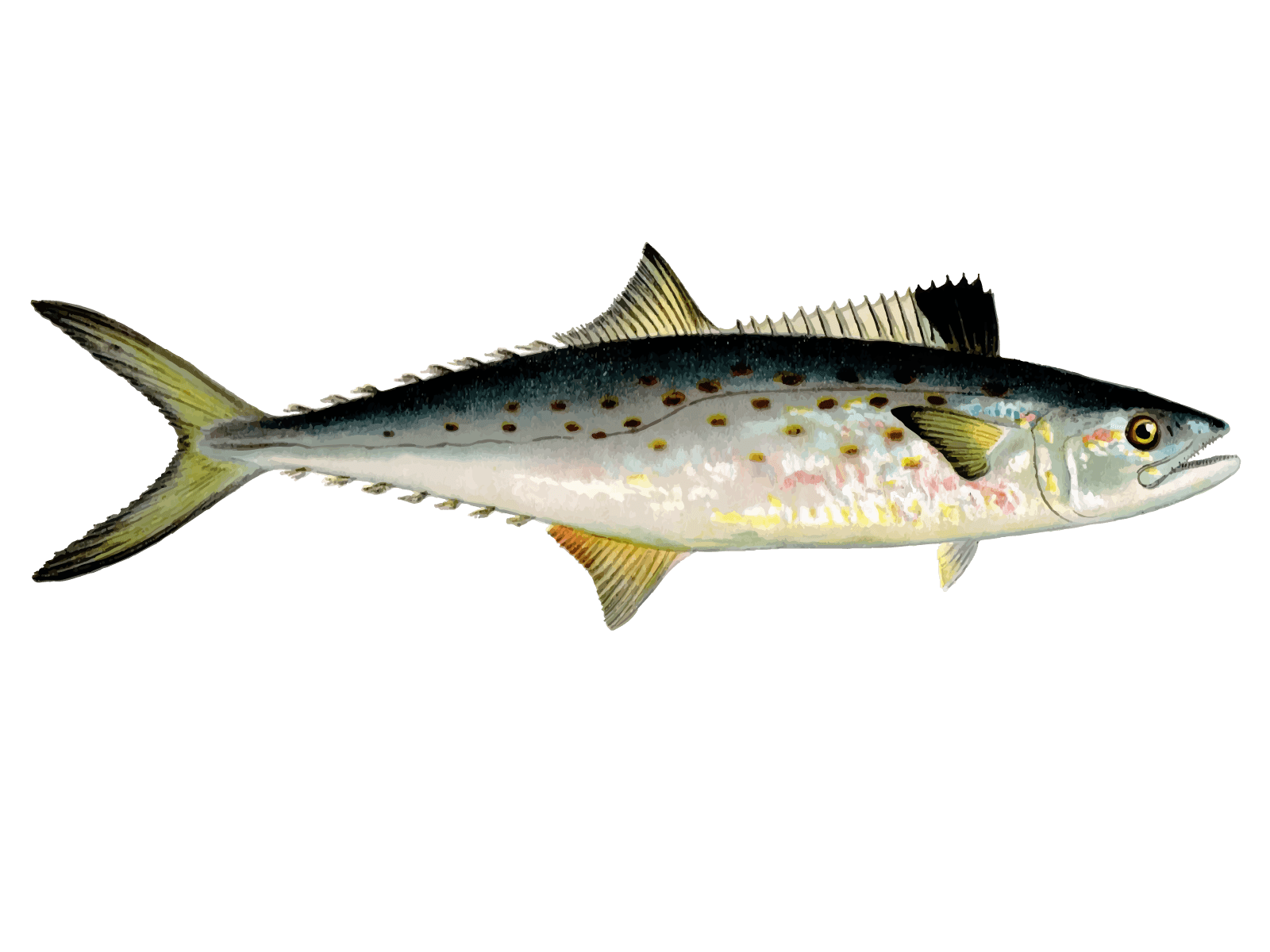
 Spanish Mackerel
- This 4-hour private fishing charter with Prowler takes you out into Norfolk's productive offshore waters starting at 7 AM. You'll target Cobia, Bluefish, Spanish Mackerel, and other species that call these East Coast fishing grounds home. The boat handles up to 6 people, making it perfect for families or small groups who want a personalized experience with expert local guidance. Morning trips give you the best bite times while avoiding afternoon heat. Whether you're new to saltwater fishing or have been at it for years, the captain knows these waters and will put you on fish. All the gear and knowledge you need is provided
- just bring your crew and get ready for some solid fishing action off the Virginia coast.
Trip Pricing and Availabilities:
4-Hour Private Norfolk Fishing Charter
Looking for a solid morning on the water without breaking the bank or your back? This 4-hour private charter out of Norfolk is exactly what you need. We're talking about getting you on some of the East Coast's most productive fishing grounds, targeting species that actually want to bite, and doing it all before the afternoon heat kicks in. With Captain and crew from Prowler Fishing Charter, you'll have up to 6 spots on the boat, making it perfect for your crew whether that's family, buddies, or a mix of both. No crowds, no strangers – just your group and some serious fishing action starting at 7 AM sharp.
What to Expect on the Water
Here's the deal – you're getting a private boat for four solid hours in some of Norfolk's best fishing waters. The morning start time isn't just for show; it's when these fish are most active and before the weekend boat traffic gets crazy. Your captain knows these waters like the back of their hand, from the structure that holds big drum to the current breaks where Spanish mackerel love to hunt. The boat comes equipped with everything you need – rods, reels, tackle, and bait – so you can focus on what matters: putting fish in the cooler. This isn't a cattle boat situation where you're fighting for rail space. With a max of 6 anglers, everyone gets prime real estate and personalized attention from the crew.
Techniques & Tackle
Depending on what's biting and where we find them, you'll be using a variety of methods that keep things interesting. For Spanish mackerel and bluefish, we're talking about light tackle with small spoons, gotcha plugs, or live bait when the bite gets tough. Cobia fishing means sight casting with bucktails or live eels – these fish are curious and will come right up to the boat if you play your cards right. When we're after redfish and black drum, it's all about bottom fishing with cut bait around structure. The captain will match the technique to the conditions and what the fish are telling us that day. All gear is provided and maintained by the crew, but feel free to bring your favorite rod if you've got one that's brought you luck before.
Species You'll Want to Hook
Redfish are the bread and butter of Norfolk fishing, and for good reason. These copper-colored bruisers love the shallow waters and grass flats around the area, especially during the warmer months from May through October. They're known for their powerful runs and stubborn fights, often taking you into the backing before you know what hit you. What makes reds special here is their size – Norfolk consistently produces fish in the 20 to 40-pound range, with some real giants showing up in the fall. They're also great eating when they're in the slot, making them a favorite for families looking to take dinner home.
Cobia are the wildcards that can make your whole trip. These brown sharks (that's what some folks call them) show up around Norfolk from late spring through early fall, cruising the surface like they own the place. They're curious fish that will come investigate the boat, giving you sight-casting opportunities that get your heart pumping. When hooked, they're absolute bulldogs, diving deep and using their broad tails to put up a serious scrap. The best part? They're fantastic table fare with firm, white meat that tastes like a cross between grouper and mahi.
Spanish mackerel bring the fast-paced action that keeps everyone busy. These sleek speedsters travel in schools and when you find them, it's game on. They hit hard, run fast, and keep the rods bent while you're working through the school. Peak season runs from late spring through early fall, with the biggest fish showing up in the cooler months. They're perfect for lighter tackle and great for getting kids or nervous first-timers confident with their fighting and landing skills.
Bluefish are the aggressive biters that rarely say no to a well-presented bait or lure. These toothy customers hit hard and fight dirty, making powerful runs and aerial displays when hooked. Norfolk's blues range from smaller snappers perfect for light tackle fun to bigger choppers that can really test your drag system. They're most active during the spring and fall migrations, but resident populations keep things interesting all summer long.
Black drum are the heavyweights that will really test your tackle and technique. These bottom dwellers can reach impressive sizes around Norfolk's structure, with fish over 50 pounds not uncommon during peak season from April through June. They're not flashy fighters like reds or cobia, but they use their weight and power to wage a slow, grinding battle that'll leave your arms aching. The bigger fish are catch-and-release, but the smaller ones make excellent eating with sweet, flaky meat.
Time to Book Your Spot
Four hours might not sound like much, but it's the sweet spot for Norfolk fishing – long enough to hit multiple spots and target different species, but short enough that you're not dealing with tired kids or seasick passengers. The 7 AM start gets you on the prime bite time, and you'll be back at the dock by 11 AM with stories to tell and hopefully fish to clean. This charter delivers exactly what it promises: a no-nonsense fishing trip with a professional crew, quality equipment, and access to some of Virginia's best fishing grounds. Whether you're celebrating a special occasion, introducing someone new to saltwater fishing, or just need to get away from the daily grind for a few hours, this trip checks all the boxes. Don't wait too long to book – the best fishing days fill up fast, especially during peak season.
Customer Review
Learn more about the animals
Black Drum
Black drum are the heavyweights that test your tackle around Norfolk's oyster beds and shallow flats. These gray-black bruisers typically run 10-40 pounds, with some monsters pushing 60+ pounds. They love brackish areas, muddy bottoms, and structure where they crush crabs and oysters with powerful jaws. Spring spawning season brings the best fishing when they school up in 5-15 feet of water. What makes them special is their bulldogging fight - they use their weight and stay deep. Smaller ones under 15 pounds are great eating, but the big ones are tough. They make that signature drumming sound you can actually hear. Best approach: fresh blue crab on a fish-finder rig. Let it sit on bottom and be patient - when a big drum picks it up, there's no mistaking that slow, heavy pull.
Bluefish
Bluefish are the pit bulls of Norfolk's waters - aggressive feeders that attack anything in their path. These blue-green predators range from 2-15 pounds in our area, with those sharp triangular teeth that mean business. They roam sandy beaches, inlet mouths, and open water, especially during summer feeding frenzies. Fall migration brings the best action when they're fattening up. Guests appreciate their fierce fight and the chaos when schools are feeding - it's pure mayhem with birds diving and water boiling. Smaller blues under 5 pounds are excellent eating, while the bigger ones are better released. Essential tip: always use a wire leader and watch your fingers when unhooking them. Metal spoons, poppers, and chunk bait work great when they're blitzing baitfish.
Cobia
Cobia are the bruisers of our Norfolk waters, often mistaken for sharks when cruising near the surface. These brown, torpedo-shaped fish average 30-50 pounds but can hit 100+ pounds. Look for them around buoys, wrecks, and structure in 30-70 feet during spring migration and spawning season from May through August. They're typically loners, so when you find one, work it hard. Guests love cobia for their incredible fight and premium table quality - firm, white meat that rivals any restaurant fish. They'll hit bucktail jigs, crankbaits, and live bait. Here's the key: once you hook up, keep steady pressure but don't horse them. They're smart fish and will wrap you around structure if you give them slack. Sight fishing for them is pure adrenaline.
Redfish
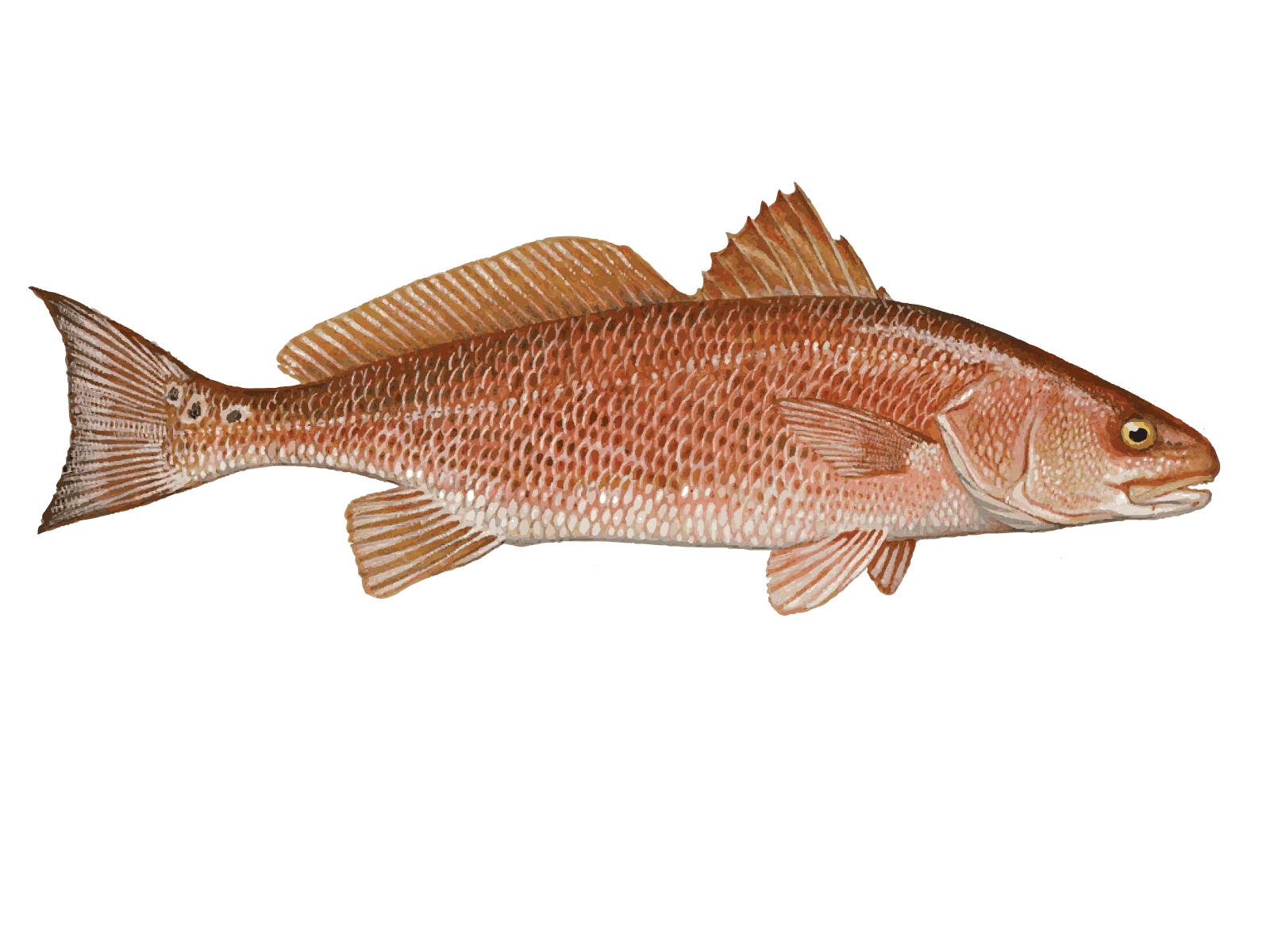
Redfish are one of our most popular targets around Norfolk, and for good reason. These copper-colored beauties with their signature black spots near the tail typically run 20-35 inches in our waters. They love shallow flats, oyster bars, and grass beds where they cruise looking for crabs and shrimp. Spring through fall offers the best action when water temps warm up. What makes them special is their powerful fight - they'll make long runs and test your drag. The smaller ones under 27 inches make excellent table fare with sweet, flaky meat. Pro tip: when you spot one tailing in shallow water, cast your bait well ahead of where they're moving and let it sit still. They spook easily but can't resist a well-placed soft crab or shrimp.
Spanish Mackerel
Spanish mackerel are speed demons that make our 4-hour trips exciting for the whole family. These silver bullets with yellow spots typically run 1-3 pounds and 12-20 inches. They school up near the surface around piers, jetties, and open water from late spring through early fall. When the water hits 70+ degrees, they really turn on. What guests love about them is the nonstop action - when you find a school, everyone hooks up fast. Plus, they're fantastic eating with mild, flaky meat that grills perfectly. They're aggressive but have razor-sharp teeth, so use a wire leader. My go-to trick: small silver spoons or gotcha plugs trolled at 4-6 knots. When you mark a school, cut the engine and cast into the frenzy.